
Homeopathic Treatment for BENIGN PROSTATIC HYPERPLASIA (BPH)
What is BPH?
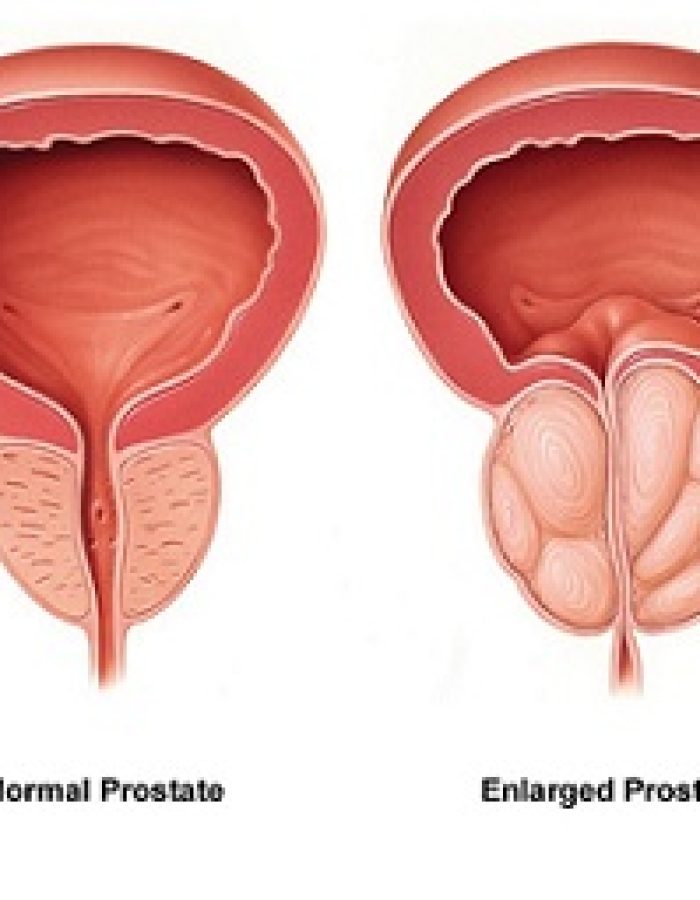
Benign Prostatic Hyperplasia (BPH) is a prevalent condition affecting old men, characterised by the non-cancerous enlargement of the prostate gland.
Causes:
The exact causes of prostate hyperplasia, or benign prostatic hyperplasia (BPH), are not fully understood, but several factors are believed to contribute to its development:
Age: BPH is primarily an age-related condition,it is uncommon in men under 40 but becomes more prevalent as they get older.
Hormonal Changes: Changes in hormone levels, particularly an increase in dihydrotestosterone (DHT), a byproduct of testosterone, are thought to play a role in the growth of the prostate gland.
Genetics: There is evidence suggesting a genetic predisposition to BPH.
Testosterone Levels: Some studies suggest that a higher level of circulating testosterone may contribute to the development of prostate hyperplasia.
Lifestyle Factors: Certain lifestyle factors may influence the risk of BPH, including lack of physical activity, obesity, and diet. High-fat and high-sugar diets, as well as sedentary lifestyles, may be associated with an increased risk
Chronic Inflammation: Chronic inflammation in the prostate gland may be linked to the development of BPH. Inflammatory processes could contribute to the enlargement of the prostate.
Symptoms:
BPH can lead to various urinary symptoms due to the enlarged prostate putting pressure on the urethra. Common symptoms include:
Difficulty Initiating Urination: Individuals with BPH may experience difficulty starting the urine stream.
Weak Urine Stream: The force of the urine stream may be reduced, making it weaker than usual.
Frequent Urination: There may be an increased frequency of urination, especially during the night (nocturia).
Urgency: A sudden and compelling need to urinate may occur.
Incomplete Bladder Emptying: A feeling that the bladder has not emptied completely after urination.
Straining During Urination: Due to the obstruction caused by the enlarged prostate, individuals may need to exert more effort during urination.
Intermittent Flow: The flow of urine may start and stop during urination.
Dribbling at the End of Urination: After completing urination, some individuals may experience dribbling or leaking.
Diagnosis:
The diagnosis of Benign Prostatic Hyperplasia (BPH) typically involves
Medical History: Healthcare provider will ask about your symptoms, their duration and severity, and any factors that may aggravate or alleviate them. They may also inquire about your overall health and medical history.
Imaging Studies: Imaging tests like ultrasound is recommended to get a more detailed view of the prostate and urinary tract.
Post-Void Residual Measurement: This test determines if the bladder empties completely by measuring the amount of urine left in the bladder after urination
Prostate-Specific Antigen (PSA) Test: A blood test measuring PSA levels may be conducted. Elevated PSA levels can indicate various prostate conditions, including BPH. However, an elevated PSA doesn’t necessarily mean cancer.
Management:
Lifestyle modifications, such as limiting caffeine and alcohol intake, managing fluid consumption, and regular exercise, may offer relief.
SCOPE OF HOMOEOPATHY IN TREATMENT OF BHP:
With its focus on treating the underlying causes of the problem rather than just treating its symptoms, homoeopathy has a wide use in the treatment of Benign Prostatic Hyperplasia (BPH). A comprehensive assessment of the patient’s emotional, mental, and physical states is carried out by homoeopathic practitioners, which not only reduces symptoms but also promotes cure. Homeopathy avoids the need for invasive procedures that are necessary for the treatment of BPH in conventional medicine.
Get in touch with Dr. Sumit Paliwal if you have any of the aforementioned symptoms. He has experience treating BHP patients with complete patient satisfaction.
Need Help ?
We want to hear from you. Let us know how we can help.
