
Homeopathic Treatment for Stroke
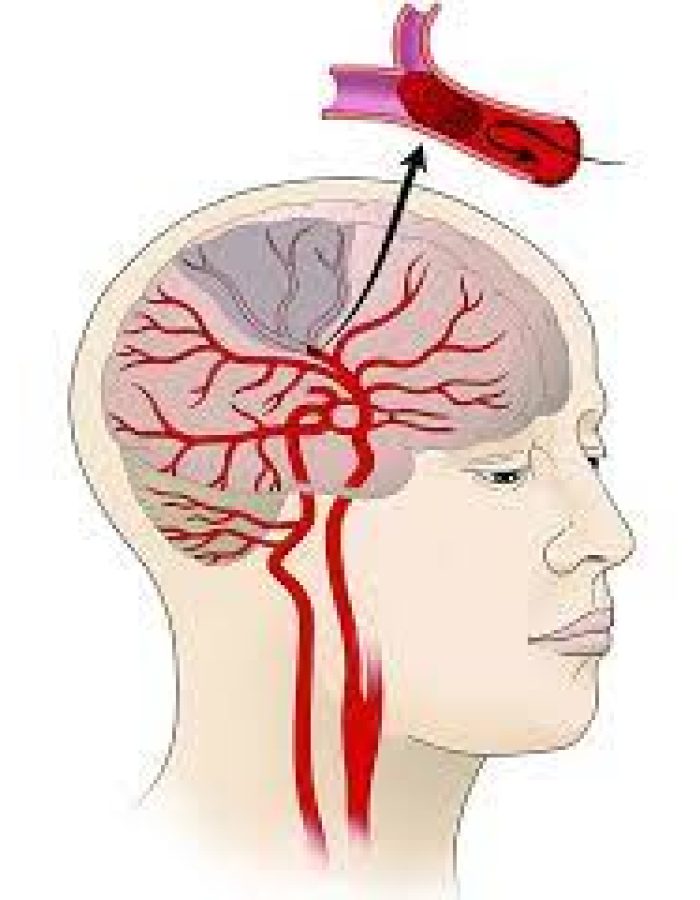
What is Stroke?
Stroke is a serious medical condition that affects millions of people worldwide.
A stroke occurs when there is a disruption of blood supply to the brain, leading to damage of brain cells. This disruption can be caused by a clot blocking blood flow (ischemic stroke) or a ruptured blood vessel causing bleeding in the brain (hemorrhagic stroke).
Img credit: brown.edu
SIGNS AND SYMPTOMS
It’s crucial to be aware of the common signs of a stroke, often summarized by the acronym FAST:
–Face: Check if one side of the face droops.
–Arms: See if one arm drifts downward when raised.
–Speech: Listen for slurred or garbled speech.
–Time: Act quickly; time is of the essence in stroke response.
Others Symptoms include:
– Sudden, severe Headache: A sudden and severe headache, often described as the worst headache of one’s life, can occur during a stroke.
– Trouble Walking or Coordination Issues:Some individuals may experience dizziness, loss of balance, or difficulty walking.
– Vision Changes: Sudden changes in vision, such as blurred or double vision, may occur.
RISK FACTORS:
Some common risk factors associated with stroke:
– High Blood Pressure (Hypertension): Uncontrolled high blood pressure is a major risk factor for stroke.
– Smoking:Tobacco smoke contains chemicals that can damage blood vessels and increase the formation of blood clots.
– Diabetes: Individuals with diabetes are at a higher risk of stroke due to the potential impact on blood vessels and increased likelihood of other cardiovascular risk factors.
– Heart Diseases: Conditions such as atrial fibrillation, heart valve disorders, and other heart diseases can contribute to the formation of blood clots, which may travel to the brain and cause a stroke.
– High Cholesterol Levels: Elevated levels of LDL (“bad”) cholesterol can lead to atherosclerosis, the buildup of fatty deposits in arteries, increasing the risk of stroke.
–Age:The risk of stroke increases with age.
–Gender: Men generally have a higher risk of stroke than premenopausal women. However, women’s stroke risk increases after menopause.
–Family History and Genetics: Individuals with a family history of stroke may be at a higher risk. Certain genetic factors can also contribute to susceptibility.
–Physical Inactivity and Poor Diet: Lack of regular physical activity and an unhealthy diet contribute to conditions like obesity and high blood pressure, increasing the risk of stroke.
–Excessive Alcohol Consumption: Heavy alcohol consumption can raise blood pressure and contribute to other cardiovascular risk factors, increasing the risk of stroke.
Diagnosis:
Key steps in the diagnosis of a stroke:
-Physical Examination: A thorough physical examination, including neurological assessments, helps identify signs of stroke and assess the extent of impairment.
–Imaging Studies:
Computed Tomography (CT) Scan: An initial CT scan of the brain is often performed to differentiate between ischemic and hemorrhagic strokes. It helps visualize bleeding, tumors, or other abnormalities.
Magnetic Resonance Imaging (MRI): MRI provides detailed images of the brain and is especially useful for detecting ischemic strokes and assessing the extent of damage.
AFTER EFFECTS OF THE STROKE )
Weakness or Paralysis: Depending on the area of the brain affected, weakness or paralysis.
–Mobility Issues: Difficulty walking or maintaining balance may be present.
–Aphasia: Difficulty with speech and language skills, including speaking, understanding, reading, and writing.
–Cognitive Impairments: Memory loss, difficulty concentrating, and changes in reasoning abilities may occur.
–Depression and Anxiety: Coping with the physical and lifestyle changes post-stroke can lead to depression and anxiety.
–Vision Changes: Blurred vision, difficulty focusing, or visual field deficits can occur.
–Sensory Loss: Reduced sensation or altered perception of touch, temperature, or pain.
–Swallowing Difficulties (Dysphagia): Impaired swallowing function may require dietary modifications and swallowing therapy.
–Spasticity and Muscle Stiffness:Increased muscle tone, leading to stiffness and difficulty with movement.
–Urinary and Bowel Incontinence: Control over bladder and bowel functions may be compromised.
–Risk of Recurrence:Individuals who have had a stroke are at an increased risk of experiencing another stroke, necessitating ongoing management and preventive measures.
PREVENTION:
Adopting a healthy lifestyle can significantly reduce the risk of stroke. This includes maintaining a balanced diet, exercising regularly, managing stress, and avoiding smoking and excessive alcohol consumption. Regular medical check-ups and managing underlying health conditions are also crucial preventive measures.
TREATMENT:
Timely medical intervention is vital in treating stroke. Ischemic strokes may betreated with clot-busting medications, while hemorrhagic strokes may require surgery. Rehabilitation and therapy are often necessary to regain lost functions and enhance recovery.
HOW HOMEOPATHY AIDS IN STROKE MANAGEMENT?:
When a stroke occurs, homeopathy offers supportive care and stops the condition from getting worse.
A stroke is a medical emergency that needs to be treated in a hospital, but its aftereffects can be effectively handled using homeopathy. It lessens the severity of additional stroke-related symptoms, shortens the rehabilitation period, builds muscle strength, and aids in the restoration of mobility and sensations.
Homeopathy also aids in the treatment of depression, anxiety, and memory loss following a stroke.
If you are seeking homeopathic treatment for stroke or have inquiries related to stroke management, Dr. Sumit Paliwal is a reputable practitioner with significant experience in the homeopathic approach to stroke cases. With a specialized focus on individualized and holistic care, Dr. Paliwal brings a wealth of expertise to address concerns related to stroke using homeopathic principles.
Need Help ?
We want to hear from you. Let us know how we can help.
