
Homeopathic Treatment for Liver Cirrhosis
What is Liver Cirrhosis?
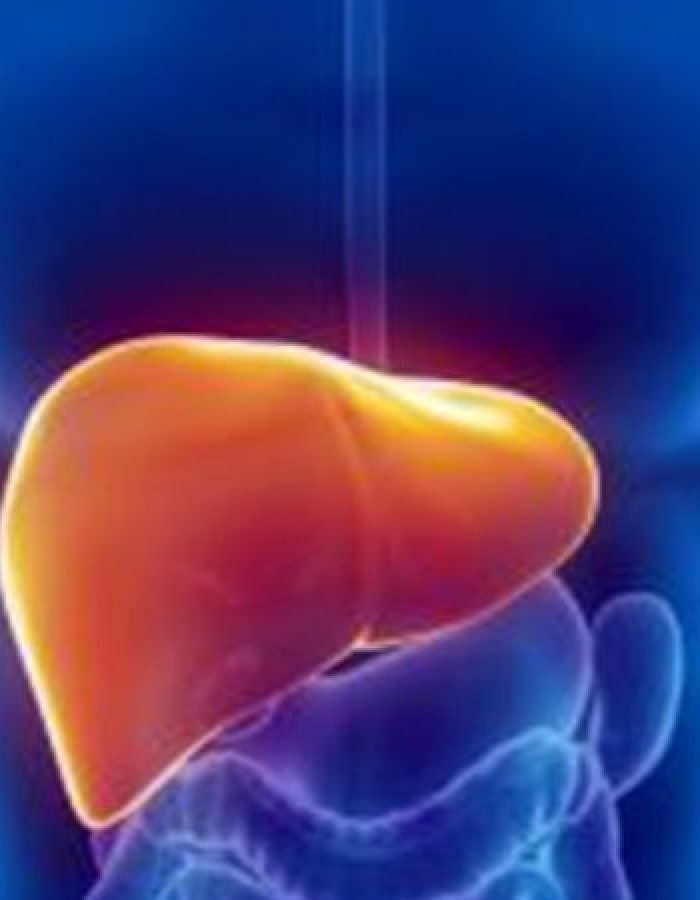
Liver cirrhosis is a chronic and progressive medical condition characterized by the gradual and irreversible scarring of the liver tissue. This scarring, also known as fibrosis, leads to the distortion of the liver’s structure and impairs its vital functions. As one of the leading causes of morbidity and mortality worldwide, understanding the intricacies of liver cirrhosis is crucial forboth medical professionals and the general population.
img source: tamariaclinic.com
Causes of Liver Cirrhosis::
There are numerous factors that can contribute to the development of liver cirrhosis:
- Excessive Alcohol Consumption: Prolonged and heavy alcohol consumption is a major contributor to liver cirrhosis. The liver metabolizes alcohol, but chronic alcohol abuse can lead toinflammation, oxidative stress, and the accumulation of fat in liver cells, resulting in fibrosis andeventual cirrhosis.
- Chronic Viral Hepatitis: Hepatitis B and C viruses can cause persistent inflammation in the liver, leading to fibrosis and cirrhosis over time. These viral infections are often asymptomatic inthe early stages, making regular screening and timely treatment crucial.
- Non -Alcoholic Fatty Liver Disease (NAFLD): Linked to obesity, insulin resistance, andmetabolic syndrome, NAFLD involves the accumulation of fat in liver cells. This can progress tonon-alcoholic steatohepatitis (NASH), inflammation, fibrosis, and ultimately cirrhosis.
- Autoimmune Diseases :Autoimmune disorders like autoimmune hepatitis, primary biliarycholangitis, and primary sclerosing cholangitis cause the immune system to attack the liver, resulting in inflammation and cirrhosis.
- Genetic Disorders:Certain genetic conditions, such as hemochromatosis (excessive iron buildup) and Wilson’s disease (copper accumulation), can lead to cirrhosis if left untreated.
- Medications and Toxins: Long-term exposure to certain medications, industrial chemicals,and toxins can damage liver cells and trigger fibrosis.
- Chronic Bile Duct Blockage: Conditions that obstruct the bile ducts, such as biliary atresia or gallstones, can lead to bile buildup and subsequent liver damage.
Symptoms and Complications:
The symptoms of liver cirrhosis can vary depending on the severity of the condition. In the early stages, individuals might not experience noticeable symptoms. However, as the disease progresses, the following symptoms and complications can arise:
- Fatigue and Weakness: due to the liver’s impaired ability to process nutrients and produce energy.
- Jaundice: Yellowing of the skin and eyes due to the accumulation of bilirubin, a waste product.
- Abdominal Swelling:Ascites, or fluid accumulation in the abdominal cavity, can cause discomfort and distension.
- Easy Bruising and Bleeding:A compromised liver can lead to reduced clotting factors, resulting in easy bruising and increased bleeding.
- Itching: Accumulation of bile salts in the skin can cause severe itching.
- Mental Confusion:Hepatic encephalopathy occurs when toxins normally cleared by the liver accumulate and affect brain function, leading to confusion and cognitive impairment.
- Gastrointestinal Bleeding: Enlarged veins in the esophagus (varices) can rupture and cause life-threatening bleeding.
- Fluid Retention:Swelling in the legs and ankles due to fluid retention.
- Muscle Wasting:Malnutrition and muscle loss due to the liver’s inability to process nutrients.
Diagnosis and Evaluation:
Diagnosing liver cirrhosis involves a comprehensive approach:
- Medical History and Physical Examination: Evaluating risk factors, symptoms, and physical signs.
- Blood Tests:Assessing liver enzymes, bilirubin levels, clotting factors, and markers of liver function.
- Imaging Studies: Ultrasound, CT scan, or MRI can reveal the extent of liver damage and the presence of complications.
- FibroScan or Elastography:These non-invasive tests assess liver stiffness, which correlates with fibrosis severity.
- Liver Biopsy:A tissue sample is taken and examined under a microscope to confirm the diagnosis and determine the degree of fibrosis.
Diagnosis and Treatment ( by conventional medicine)
Before treatment is initiated, a thorough evaluation is essential to determine the cause of bedwetting:
- Medical Assessment: A doctor will review medical history, perform a physical exam, and may conduct urine tests, blood tests, and imaging studies to rule out underlying medical conditions.
- Sleep Study: For adults, a sleep study (polysomnography) might be recommended to identify any sleep disorder contributing to bed wetting.
Treatment approaches vary depending on the cause and age of the individual:
- Behavioral Interventions: For children, techniques like bladder training, scheduled voiding, and moisture alarms can help establish better nighttime bladder control.
- Medications: Desmopressin, a synthetic hormone that reduces urine production, can be prescribed for both children and adults. This treatment is especially useful for special occasionswhen dryness is desired.
- Lifestyle Modifications: Reducing fluid intake before bedtime and avoiding caffeine canhelp manage bedwetting.
- Psychological Support:Counseling or therapy can be beneficial, particularly for older individuals dealing with the emotional impact of bedwetting.
- Treating Underlying Conditions:If a medical condition is causing bedwetting, addressing that condition can lead to improvement.
- Enuresis Alarm : these devices sense moisture and trigger an alarm, training the individual to wake up and use the toilet when the bladder is full.
Treatment and Management:
The treatment of liver cirrhosis depends on its underlying cause and the extent of liver damage:
- Lifestyle Modifications: Quitting alcohol, adopting a balanced diet, maintaining a healthy weight, and engaging in regular exercise can help prevent further damage.
- Medications: Various medications may be prescribed to manage symptoms, complications, and underlying conditions. Examples include diuretics for fluid retention, Lactulose for hepatic encephalopathy, and antiviral drugs for hepatitis infections.
- Variceal Bleeding Management: In cases of bleeding from esophageal varices, medications to reduce pressure in the veins, endoscopic procedures, and even surgical interventions may be needed.
Liver Transplantation:In advanced cases where the liver’s function is severelyCompromised, a liver transplant might be considered.
Role of HOMOEOPATHY in treating Liver Cirrhosis :
Homoeopathy acts very efficiently on liver problems. It acts on the root cause of the disease and helps eliminate it. It arouses the body’s natural healing and restorative forces by acting on vital principles. It also helps in managing the symptoms of liver disease like fatigue, weakness, bleeding, jaundice, etc. It improves the prognosis and prevents complications of the disease, as homoeopathy treats an individual, not a disease.Homeopathic treatment can significantly improve the quality of life for individuals with liver cirrhosis and potentially slow down its progress.
You can consult Dr. SumitPaliwal for appropriate medical care and therapy. He has years of experience using the natural science of homoeopathy to address liver issues and their associated complications.
Preventing liver cirrhosis involves adopting a healthy lifestyle, getting vaccinated against hepatitis, and managing underlying health conditions. Regular medical check-ups and screening f or liver-related disorders can aid in early detection and intervention.
Need Help ?
We want to hear from you. Let us know how we can help.
