
Homeopathy Treatment For Allergic Rhinitis
What is Allergic Rhinitis?
Allergic rhinitis, commonly known as hay fever, is a prevalent allergic condition that affects millions of people worldwide. It occurs when the immune system overreacts to certain allergens, leading to inflammation and irritation of the nasal passages. While not life-threatening, allergic rhinitis can significantly impact a person’s quality of life by causing bothersome symptoms.
Causes and Triggers
Allergic rhinitis is triggered by exposure to specific allergens that prompt an allergic response in susceptible individuals. Common allergens include:
- Pollen: Pollen from trees, grasses, and weeds is a significant trigger, leading to seasonal allergic rhinitis, often referred to as “hay fever.”
- Dust Mites: These tiny creatures are commonly found in household dust, bedding, and upholstered furniture.
- Pet Dander: Allergens found in pet fur, skin, and saliva can cause symptoms in sensitive individuals.
- Mold Spores: Mold grows in damp and humid environments, and its spores become airborne, triggering allergic reactions.
- Cockroaches: The proteins present in cockroach droppings and body parts can be an allergen source.
Symptoms of Allergic Rhinitis
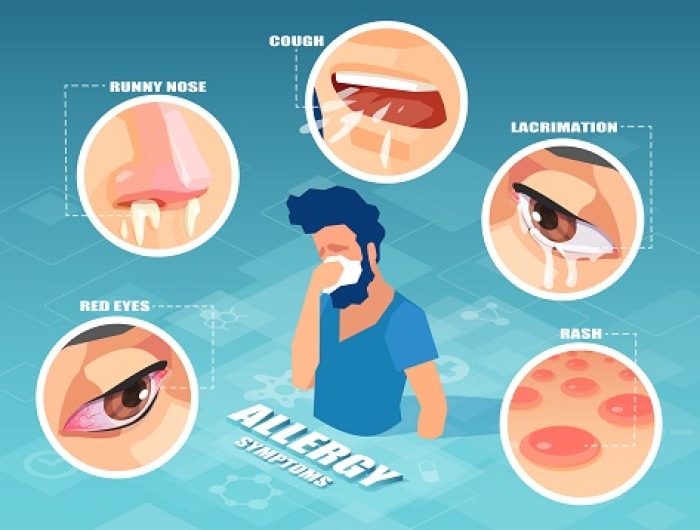
The symptoms of allergic rhinitis typically manifest in the nose, eyes, and throat. They may vary in severity and duration, depending on the type of allergen and the individual’s sensitivity. Common symptoms include:
1. Sneezing: Frequent and repetitive sneezing is a hallmark symptom of allergic rhinitis.
2. Runny or Stuffy Nose: The nose may produce a clear and watery discharge or become blocked due to inflammation of the nasal passages.
3. Itchy Nose, Eyes, and Throat: Persistent itching in the nasal area, eyes, and throat is a common complaint.
4. Watery Eyes: Excessive tearing and watering of the eyes may occur.
5. Coughing: A dry, irritating cough may be present, especially if post-nasal drip occurs.
6. Fatigue: Allergic rhinitis can cause fatigue and irritability due to disrupted sleep from nasal congestion and other symptoms.
Diagnosis and Management
If you suspect you have allergic rhinitis, it is essential to seek medical evaluation for a proper diagnosis. A healthcare provider will typically review your medical history, conduct a physical examination, and inquire about your symptoms and possible triggers.
In some cases, allergy testing may be recommended to identify specific allergens responsible for rhinitis. Allergy tests can involve skin prick tests or blood tests, both of which can help pinpoint the triggers.
Once diagnosed, the management of allergic rhinitis involves a combination of approaches:
- Avoidance of Triggers: Identifying and avoiding exposure to allergens can help reduce the frequency and severity of allergic reactions. Keeping the home clean, using air purifiers, and minimizing contact with pets can be beneficial.
- Conventional Mode of treatment: Doctors may prescribe medications to alleviate symptoms, including antihistamines to block the allergic response, decongestants to relieve nasal congestion, and nasal corticosteroids to reduce inflammation.
- Immunotherapy: For severe and persistent cases, allergy shots or sublingual immunotherapy (under-the-tongue tablets) may be considered to desensitize the immune system to specific allergens.
- Nasal Rinses: Saline nasal rinses can help clear the nasal passages and reduce symptoms.
What Homoeopathic Treatment Has to Offer You
The conventional mode of treatment makes you dependent on the anti-histamines like cetirizine, avil and montair and does not make progress toward the direction of a cure, whereas in the Homoeopathic mode of treatment you will be prescribed medicine which suits you, individualises you and make a progress towards your better health after a certain course of treatment you will rarely need to use any antihistamines and also the severity of the symptoms will reduce to the point of a level where there will be no hamper in your state of living, The Homoeopathic medicine will lead you to a better life, better immunity and will lead your body to heal itself.
Allergic rhinitis may not be a life-threatening condition, but its impact on daily life can be significant. Understanding the triggers and taking proactive steps to manage symptoms can make a substantial difference in improving overall well-being. If you suspect you have allergic rhinitis or experience persistent nasal symptoms then, Dr Sumit Paliwal’s Clinic is the destination you need to get for your better health.
Need Help ?
We want to hear from you. Let us know how we can help.
